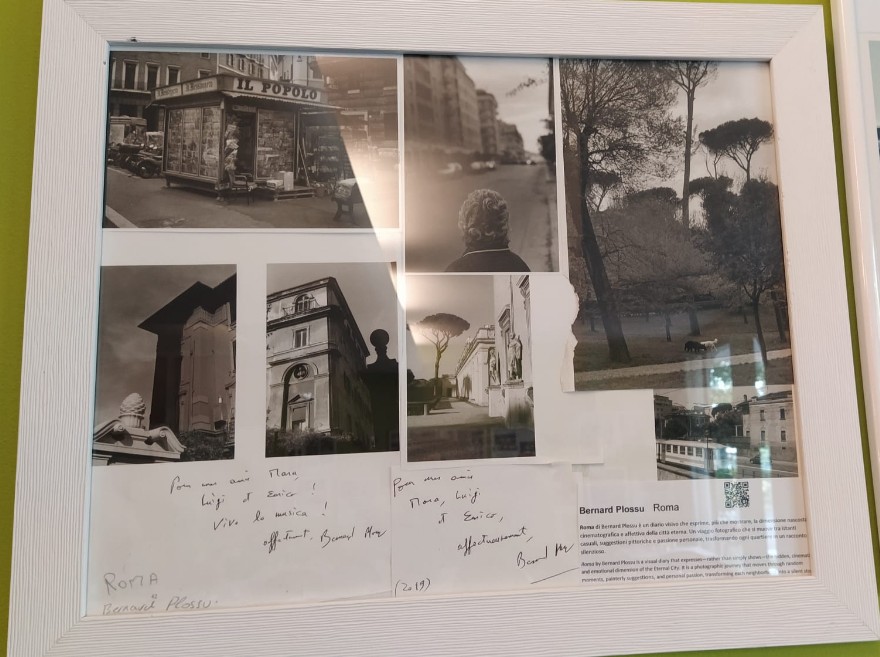
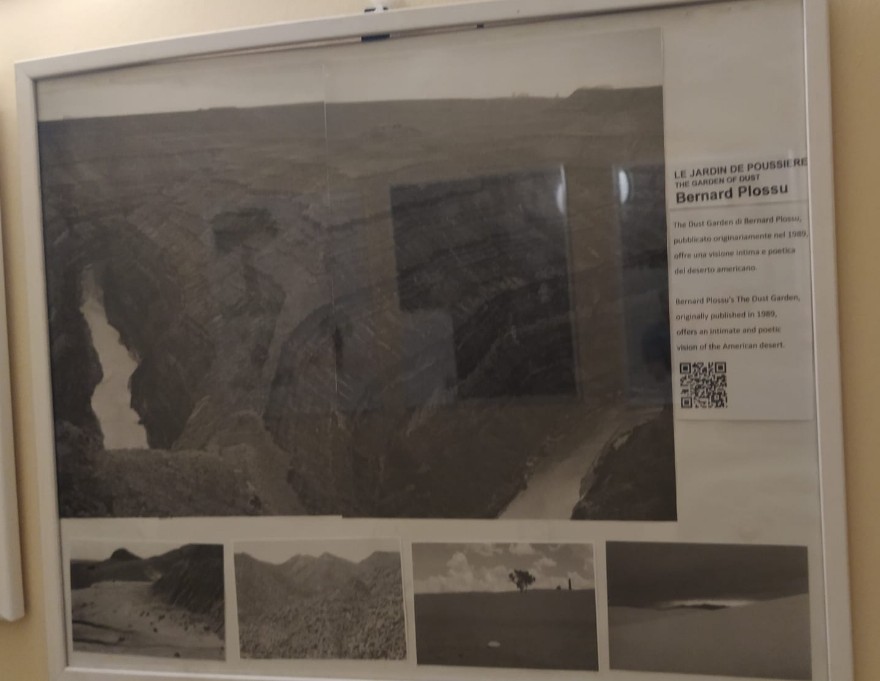
Bernard Plossu Roma
Inizia a fotografare a
tredici anni durante un viaggio con il padre nel deserto del Sahara. Studia
filosofia all’Università di Parigi e termina gli studi all’American University
di Mexico City. Nel 1966 partecipa in qualità di photoreporter alla spedizione
di un gruppo di etnologi inglesi nella giungla del Chiapas (Messico) e realizza
una serie di fotografie diventate leggendarie e raggruppate in un libro
intitolato Le voyage mexicain (Contrejour, Parigi, 1979). Le immagini di quei luoghi
sono raccolte da occhi in perenne movimento: dagli autobus, dai treni, da
vecchie camionette. L’uso del “mosso” resta una tecnica che caratterizzerà
l’intera opera di Plossu. Il corpus più sostanzioso del suo lavoro è costituito
da reportage di viaggio; globe-trotter per indole naturale nell’arco di pochi
anni si muove tra India, Alpi francesi, Senegal, Egitto, New Mexico, Italia e
Nigeria, dove incontra e ritrae la tribù nomade dei Peul Bororo. Nel 1988 viene
celebrato da una retrospettiva al Centre Pompidou di Parigi e vince il Grand
Prix de la Photographie in Francia. Le sue fotografie sono state esposte nei
più grandi musei del mondo e sono presenti in tutte le collezioni pubbliche e
private.
He began photographing at the age of thirteen during a trip with his father to the Sahara Desert. He studied philosophy at the University of Paris and completed his education at the American University of Mexico City. In 1966, he took part as a photojournalist in an expedition led by a group of British ethnologists into the Chiapas jungle in Mexico. There, he created a legendary series of photographs, later collected in the book Le Voyage Mexicain (Contrejour, Paris, 1979).
The images from that journey were captured from constantly moving perspectives—buses, trains, old vans—reflecting a restless gaze. The use of motion blur became a distinctive technique that would define Plossu’s entire body of work.
The most substantial part of his oeuvre consists of travel reportage. A natural-born globe-trotter, within just a few years he traveled through India, the French Alps, Senegal, Egypt, New Mexico, Italy, and Nigeria, where he met and photographed the nomadic Peul Bororo tribe.
In 1988, he was honored with a retrospective at the Centre Pompidou in Paris and received the Grand Prix de la Photographie in France. His photographs have been exhibited in the world’s most prestigious museums and are included in major public and private collection.